




 Enjoy the Way Kambas National Park endangered mega fauna and other rare wildlife species caught in video. Find mother and baby of Sumatran rhino, challenging young male Sumatran tiger, big family of Sumatran elephant, funny Malayan sun-bear and curious Malayan tapir.
 It was written by Janos Olah & Attila Simay in Birding Asia magazine, on 2007. Not only the great variety of the otherwise scarce and hard to-come-by species is what makes this national park world-famous, but also the relative ease in finding them. No other place in sumatra that has 4 species of Frogmouth.
Oleh Riszki Is Hardianto
 Taman Nasional Way kambas adalah salah satu kawasan konservasi yang terletak di daerah Lampung tepatnya kecamatan Labuhan Ratu, Kabupaten Lampung Timur, Indonesia. Pada tahun 1924 Kawasan hutan Way Kambas (Lampung Timur) dan cabang (Lampung Tengah) disisihkan sebagai daerah hutan lindung, bersama-sama dengan daerah hutan yang tergabung di dalamnya. Ekosistem TNWK telah mewakili hutan dataran rendah yang terdiri dari hutan rawa air tawar, padang alang-alang dan hutan pantai yang ada di Pulau Sumatra.
Kawasan pelestarian alam Way Kambas didirikan sejak tahun 1936 oleh Resident Lampung Mr. Rookmaker dan kemudian pada tahun 1991 atas dasar surat Keputusan Menteri Kehutanan nomor 144/Kpts/II/991 tanggal 13 Maret 1991 dinyatakan sebagai Taman Nasional, dimana pengelolaan Sub Balai Konservasi Sumber Daya Alam Way Kambas yang bertanggung jawab langsung kepada Balai Konservasi Sumber Daya Alam Way Kambas dinyatakan sebagai Balai Taman Nasional Way Kambas.
Alasan ditetapkanya kawasan tersebut sebagai kawasan pelestarian alam adalah untuk melindungi kawasan yang menjadi rumah bagi satwa liar eksotis diantaranya tapir (Tapirus indicus), gajah Sumatra (Elephas maximus sumatranus), enam jenis primata, harimau Sumatra (Panthera trigis sumatrae) dan beruang madu (Helarctos malayanus). Pada saat itu Badak Sumatera belum ditemukan sehingga bukan merupakan salah satu pertimbangan yang dipergunakan sebagai dasarnya.
Badak sumatera, satwa yang pada awal inisiasi pendirian kawasan TNWK tidak dimasukkan dalam pertimbangan pembentukan kawasan justru saat ini kondisinya kritis terancam punah. Seperti yang telah dicantumkan IUCN dalam catatan merahnya, bahwa badak sumatera berada dalam kelas Critically Endangered Species atau Kritis Terancam Punah. Selain itu, kondisi badak sumatera juga dicerminkan dalam sebuah penelitian yang diterbitkan oleh jurnal Current Biology pada 14 Desember 2017 lalu yang memaparkan bahwa badak sudah berhadapan dengan fase kepunahan sejak 10.000 tahun yang lalu.
Saat ini, TNWK disebut-sebut sebagai benteng terakhir pertahanan badak sumatera, di mana tidak lagi terdengar informasi keberadaanya di hutan dataran rendah lainnya. Berdasarkan analisis viabilitas populasi badak sumatera (PVA Sumatran Rhino, 2015) diperkirakan jumlah badak di TNWK berkisar antara 27-30 ekor di habitat alaminya. Angka tersebut masih menjadi kisaran yang akan semakin menurun jika tidak diiringi dengan upaya pengawasan dan perlindungan kawasan habitat alami badak di TNWK secara optimal, baik berupa survey maupun monitoring.
Usaha pelestarian badak sumatera di TNWK tentunya tidak mudah, berbagai tantangan seperti maraknya berbagai aktifitas illegal yang ada di dalam kawasan dan juga degradasi habitat berupa kebakaran hutan. Kedua hal tersebutlah yang menjadi ancaman utama bagi keberlangsungan hidupan badak sumatera di TNWK. Upaya-upaya strategis sangat diperlukan dalam usaha mengamankan kawasan hutan yang merupakan habitat badak sumatera baik dari kegiatan aktifitas illegal ataupun degradasi habitat guna menjagabadak sumatera di TNWK tetep lestari.
Ancaman Masih Mengintai Populasi Badak di TNWK
 Seperti yang diketahui, badak sumatera adalah satwa soliter yang ‘pemalu’ dan sangat sensitif dengan kehadiran manusia. Maraknya aktifitas illegal di dalam kawasan seperti perburuan, memancing dan penebangan liar tidak menutup kemungkinan akan membuat semakin sempitnya area jelajah dari badak dan tentunya akan berimplikasi pada semakin terancamnya keberadaaan badak sumatera di TNWK.
Mungkin kasus kematian badak sumatera yang disebabkan oleh perburuan memang sangat jarang terdengar, namun bukan berarti tidak pernah dan tidak mungkin untuk terjadi, karena berbagai ancaman yang mengintainya masih saja ditemukan hingga saat ini. Pun kerusakan habitat yang terjadi diakibatkan oleh aktifitas illegal turut menjadi ancaman utama bagi kelangsungan hidup badak sumatera yang tersisa.
Rusaknya hutan diiringi dengan berbagai aktivitas illegal yang terjadi menyebabkan semakin terdesaknya populasi badak sumatera menuju kepunahan. Dengan populasinya yang semakin kecil dan kawasan berhutan yang semakin terganggu menjadi ancaman serius bagi kelestarian badak sumatera di TNWK.
Upaya yang Dilakukan ALeRT
- Survey dan Monitoring Badak

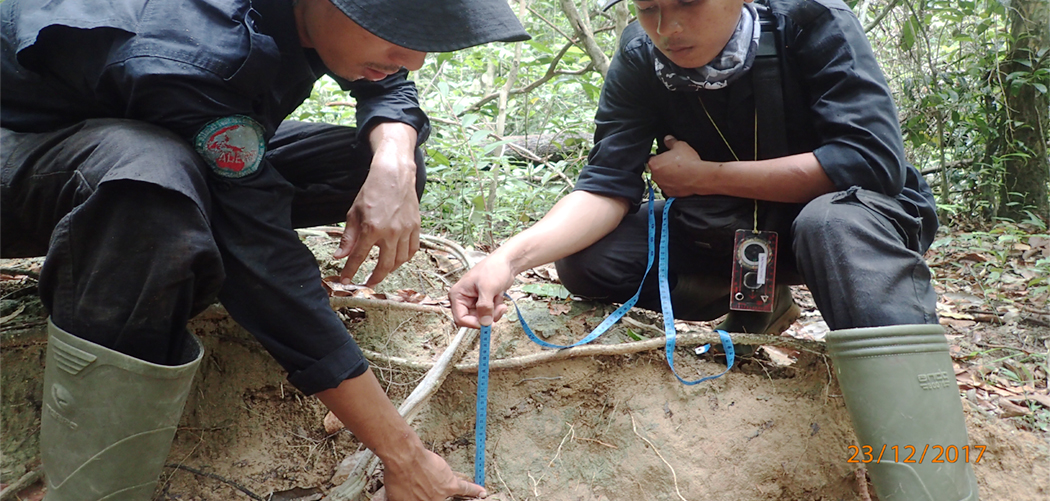
Mempertahankan kelestarikan badak sumatera di habitatnya (in-situ). Guna mendukung kelestarain badak di TNWK, ALeRT membentuk tim Rhino Monitoring Unit (RMU) untuk mengetahui kondisi populasi dan tingkat viabilitas badak di TNWK. Tim RMU melakukan pengoleksian data berupa tanda-tanda sekunder aktivitas badak sumatera di alam seperti jejak kaki, kotoran, bekas pakan, dan kubangan. Selain itu, kegiatan pengamanan habitat juga dilakukan dengan mengambil dan mendata temuan jerat dikawasan serta melakukan pendataan wilayah-wilayah dengan tingkat aktifitas illegal yang cukup tinggi. Pendataan tersebut dimaksudkan untuk menjadi dasar penentuan konsentrasi pengamanan wilayah yang akan dilakukan, sehingga intensitas aktifitas illegal yang terjadi didalam kawasan TNWK diharapkan dapat berkurang.
- Reforestasi dan Perlindungan Habitat

Selain kegiatan survey dan monitoring badak sumatera, ALeRT juga melakukan kegiatan reforestasi guna mengurangi tingkat degradasi habitat yang disebabkan oleh terbakarnya hutan. Sejauh ini, empat lokasi rawan terbakar didalam kawasan TNWK telah direforestasi dan dalam proses perlindungan. Adapun masing-masing luasan area reforestasi tersebut rata-rata seluas 50 Ha. Dengan dilakukannya kegiatan reforestasi diharapkan mampu menyatukan kembali area berhutan yang selama ini terfragmentasi. Dengan berkurangnya fragmentasi habitat di TNWK, artinya kawasan hutan akan semakin luas. Kawasan yang telah 'menghutan' kembali diharapkan dapat membuat wilayah jelajah badak akan menjadi lebih luas sehingga mampu mendorong kelestarian badak sumatera yang ada di TNWK.

Kawasan pelestarian alam Way Kambas didirikan sejak tahun 1936 oleh Resident Lampung Mr. Rookmaker dan kemudian pada tahun 1991 atas dasar surat Keputusan Menteri Kehutanan nomor 144/Kpts/II/991 tanggal 13 Maret 1991 dinyatakan sebagai Taman Nasional, dimana pengelolaan Sub Balai Konservasi Sumber Daya Alam Way Kambas yang bertanggung jawab langsung kepada Balai Konservasi Sumber Daya Alam Way Kambas dinyatakan sebagai Balai Taman Nasional Way Kambas.
Alasan ditetapkanya kawasan tersebut sebagai kawasan pelestarian alam adalah untuk melindungi kawasan yang menjadi rumah bagi satwa liar eksotis diantaranya tapir (Tapirus indicus), gajah Sumatra (Elephas maximus sumatranus), enam jenis primata, harimau Sumatra (Panthera trigis sumatrae) dan beruang madu (Helarctos malayanus). Pada saat itu Badak Sumatera belum ditemukan sehingga bukan merupakan salah satu pertimbangan yang dipergunakan sebagai dasarnya.
Badak sumatera, satwa yang pada awal inisiasi pendirian kawasan TNWK tidak dimasukkan dalam pertimbangan pembentukan kawasan justru saat ini kondisinya kritis terancam punah. Seperti yang telah dicantumkan IUCN dalam catatan merahnya, bahwa badak sumatera berada dalam kelas Critically Endangered Species atau Kritis Terancam Punah. Selain itu, kondisi badak sumatera juga dicerminkan dalam sebuah penelitian yang diterbitkan oleh jurnal Current Biology pada 14 Desember 2017 lalu yang memaparkan bahwa badak sudah berhadapan dengan fase kepunahan sejak 10.000 tahun yang lalu.
Saat ini, TNWK disebut-sebut sebagai benteng terakhir pertahanan badak sumatera, di mana tidak lagi terdengar informasi keberadaanya di hutan dataran rendah lainnya. Berdasarkan analisis viabilitas populasi badak sumatera (PVA Sumatran Rhino, 2015) diperkirakan jumlah badak di TNWK berkisar antara 27-30 ekor di habitat alaminya. Angka tersebut masih menjadi kisaran yang akan semakin menurun jika tidak diiringi dengan upaya pengawasan dan perlindungan kawasan habitat alami badak di TNWK secara optimal, baik berupa survey maupun monitoring.
Usaha pelestarian badak sumatera di TNWK tentunya tidak mudah, berbagai tantangan seperti maraknya berbagai aktifitas illegal yang ada di dalam kawasan dan juga degradasi habitat berupa kebakaran hutan. Kedua hal tersebutlah yang menjadi ancaman utama bagi keberlangsungan hidupan badak sumatera di TNWK. Upaya-upaya strategis sangat diperlukan dalam usaha mengamankan kawasan hutan yang merupakan habitat badak sumatera baik dari kegiatan aktifitas illegal ataupun degradasi habitat guna menjagabadak sumatera di TNWK tetep lestari.
Ancaman Masih Mengintai Populasi Badak di TNWK

Mungkin kasus kematian badak sumatera yang disebabkan oleh perburuan memang sangat jarang terdengar, namun bukan berarti tidak pernah dan tidak mungkin untuk terjadi, karena berbagai ancaman yang mengintainya masih saja ditemukan hingga saat ini. Pun kerusakan habitat yang terjadi diakibatkan oleh aktifitas illegal turut menjadi ancaman utama bagi kelangsungan hidup badak sumatera yang tersisa.
Rusaknya hutan diiringi dengan berbagai aktivitas illegal yang terjadi menyebabkan semakin terdesaknya populasi badak sumatera menuju kepunahan. Dengan populasinya yang semakin kecil dan kawasan berhutan yang semakin terganggu menjadi ancaman serius bagi kelestarian badak sumatera di TNWK.
- Survey dan Monitoring Badak
Mempertahankan kelestarikan badak sumatera di habitatnya (in-situ). Guna mendukung kelestarain badak di TNWK, ALeRT membentuk tim Rhino Monitoring Unit (RMU) untuk mengetahui kondisi populasi dan tingkat viabilitas badak di TNWK. Tim RMU melakukan pengoleksian data berupa tanda-tanda sekunder aktivitas badak sumatera di alam seperti jejak kaki, kotoran, bekas pakan, dan kubangan. Selain itu, kegiatan pengamanan habitat juga dilakukan dengan mengambil dan mendata temuan jerat dikawasan serta melakukan pendataan wilayah-wilayah dengan tingkat aktifitas illegal yang cukup tinggi. Pendataan tersebut dimaksudkan untuk menjadi dasar penentuan konsentrasi pengamanan wilayah yang akan dilakukan, sehingga intensitas aktifitas illegal yang terjadi didalam kawasan TNWK diharapkan dapat berkurang.
- Reforestasi dan Perlindungan Habitat

Selain kegiatan survey dan monitoring badak sumatera, ALeRT juga melakukan kegiatan reforestasi guna mengurangi tingkat degradasi habitat yang disebabkan oleh terbakarnya hutan. Sejauh ini, empat lokasi rawan terbakar didalam kawasan TNWK telah direforestasi dan dalam proses perlindungan. Adapun masing-masing luasan area reforestasi tersebut rata-rata seluas 50 Ha. Dengan dilakukannya kegiatan reforestasi diharapkan mampu menyatukan kembali area berhutan yang selama ini terfragmentasi. Dengan berkurangnya fragmentasi habitat di TNWK, artinya kawasan hutan akan semakin luas. Kawasan yang telah 'menghutan' kembali diharapkan dapat membuat wilayah jelajah badak akan menjadi lebih luas sehingga mampu mendorong kelestarian badak sumatera yang ada di TNWK.


